



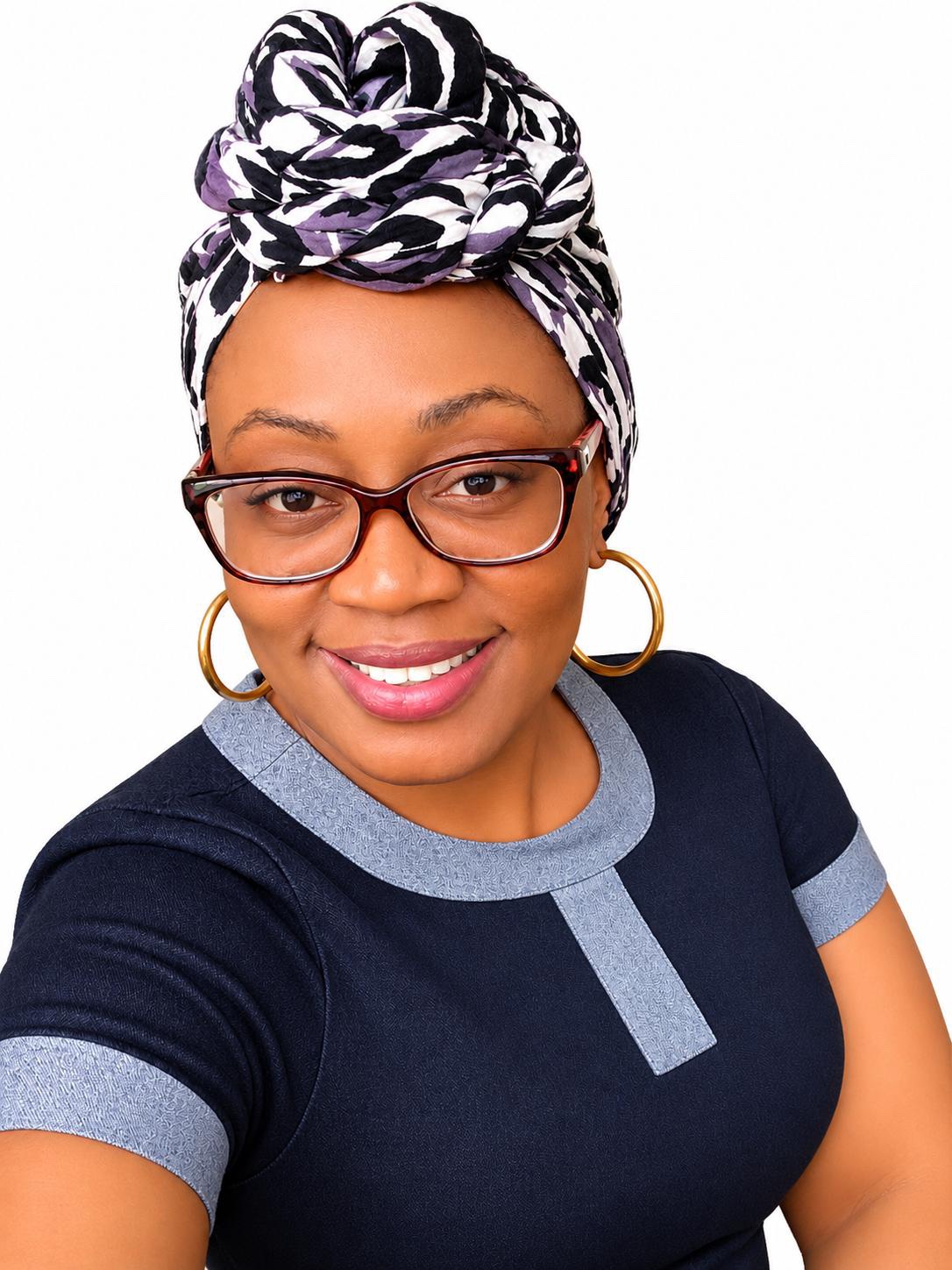
Illustrative photo — Catherine D. Nkongo-Obele, author of Paula and Cilla. Credit: photo provided by the author.
With Paula and Cilla, her first novel, Catherine D. Nkongo-Obele explores resilience. She also delves into questions of identity and female mentorship. The entrepreneur and author presented her book on Thursday, November 19, 2026, starting at 2 p.m., at the Librairie des Peuples Noirs bookstore in Yaoundé. The event combined literature, an art exhibition, and an artistic performance. Interview.
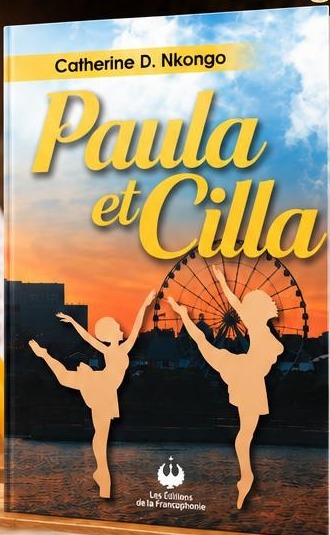
What is your first novel, Paula and Cilla, about?
The title uses the first names of the two heroines. Cilla is a 16-year-old teenager, and Paula becomes her mentor. They connect through classical dance, more specifically ballet.
The story is set primarily in Montreal, but it also takes us to Africa and Latin America. Through these characters, I explore themes such as resilience, identity, and female mentorship. I wanted to show how people can connect, support each other, and move forward despite life's challenges.
You also want to present another side of immigration. Which one?
I think that as an author, we can think outside the box. Immigration is often portrayed through the lens of suffering, difficult journeys, and the obstacles encountered in reaching a country. These realities exist, but I wanted to focus on the lives of people once they've settled in.
In the novel, Paula has a difficult relationship with her African identity. She tends to reject it and adopt white cultural attitudes. Cilla, who is mixed-race, also seeks her place between several worlds.
For me, immigration is part of our history, but it's not our whole story. Before being immigrants, we are human beings. We have dreams, relationships, and challenges that can also be shared by people born here. I wanted to show this common humanity.
Why give a central place to female mentoring?
This is a subject close to my heart. Young women need guidance and people who can support them in their choices. A mentor can share her experience, help avoid certain mistakes, and save time.
I believe that parents, uncles, aunts and families should integrate this form of support more, in Africa as well as here.
In our Afro-descendant communities, I find that mentorship is still underdeveloped, particularly among women. Yet, it is essential. With this novel, I also wanted to advocate for this kind of transmission.
What role has reading played in your own journey?
Books shaped me. They gave me confidence, hope, and a desire to discover the world. I frequented libraries from the age of six.
When I read, I felt the world was at my fingertips. I saw no limit to what I could do. I told myself that one day I would travel and discover the places I read about.
Today, I want to share this dream with others, especially young people living in difficult circumstances. A book can open a window. When you're in darkness, a small ray of light can be enough to give you something to hold onto.
In the age of videos and social media, why continue to invest in books?
Because I deeply believe in its power. Books leave a lasting mark on us. They have shaped my life and continue to nourish my worldview.
Social media plays a significant role in our daily lives. We can spend a lot of time scrolling through content. Reading offers another space: it allows us to escape and imagine other possibilities.
For me, a book goes beyond the story it tells. It can plant a seed in the life of the person who reads it. That's also what I hope to do by presenting my novel in Africa.
You dispute the idea that Africans don't read. Why?
I think it's a cliché. I come from Africa, I grew up there, and I've been reading since childhood. I know many other people who had that habit.
The problem also lies in the infrastructure and support provided. When I return to Cameroon, I see that several libraries I knew have closed due to a lack of support. This raises the question of the importance given to culture and literature.
We must also consider economic realities. When a person's first priorities are food, healthcare, or shelter, buying a book takes a backseat. The question, therefore, is one of access: how can we make books more affordable and more present in people's lives?
What measures do you think would further encourage reading?
My first priority would be to support the opening and expansion of public libraries, with free access. Here, I can visit a library free of charge thanks to the support of my municipality. We could also develop this type of access in Africa.
The second area concerns parents, because the state cannot do everything. Children observe what we do and imitate our habits. If a child sees their parents reading, there is a good chance that they too will become interested in reading.
Therefore, action must be taken both on access to books and on the example set at home.
Is your approach based on personal funding?
Yes, it's self-funded. It's a personal commitment, but I'm committed to it because I believe in what books can contribute.
Going to meet readers in Africa is also a way to bring books closer to their audience. Ordering a book from Canada for delivery there can present an additional obstacle. I want to create this connection directly.
Why did you choose the Librairie des Peuples noirs in Yaoundé for your book signing on November 19th?
This choice is also a way of paying tribute to Mongo Beti, who is one of the authors who have most influenced me.
Presenting my book in this place therefore has a special meaning for me. It connects to my own journey as a reader and the importance that certain writers have had in my life.
You associated this encounter with painting and an artistic performance. What link did you want to create between these disciplines?
I love the mixing and encounters between the arts. I wanted to create a dialogue between the journey of resilience of my heroines and the scars of resilience explored by the painter who will accompany me.
Madame Victorine will also offer an artistic performance based on this theme.
The book signing is the starting point, but I hope this meeting will act as a mirror. That everyone can recognize something of their own wounds, their own journey, and their capacity to rise again. I would like those present to leave asking themselves some real questions.
The meeting in practice
The event took place on Thursday, November 19, 2026, starting at 2 p.m., at the Librairie des Peuples noirs (Black Peoples' Bookstore), Many Ewondo Street, SNI Hill, in Yaoundé, Cameroon. The event included a meeting with the author, book signings, an exhibition of works by local artists, and the sale of paintings.
Sources: Interview conducted by Africanadien. The interview has been rewritten and condensed for clarity. See also the announcement article: «Paula and Cilla»: Catherine D. Nkongo-Obele meets her readers in Yaoundé (No. 1350, scheduled for Wednesday, November 18, 2026 at 4 p.m.).