



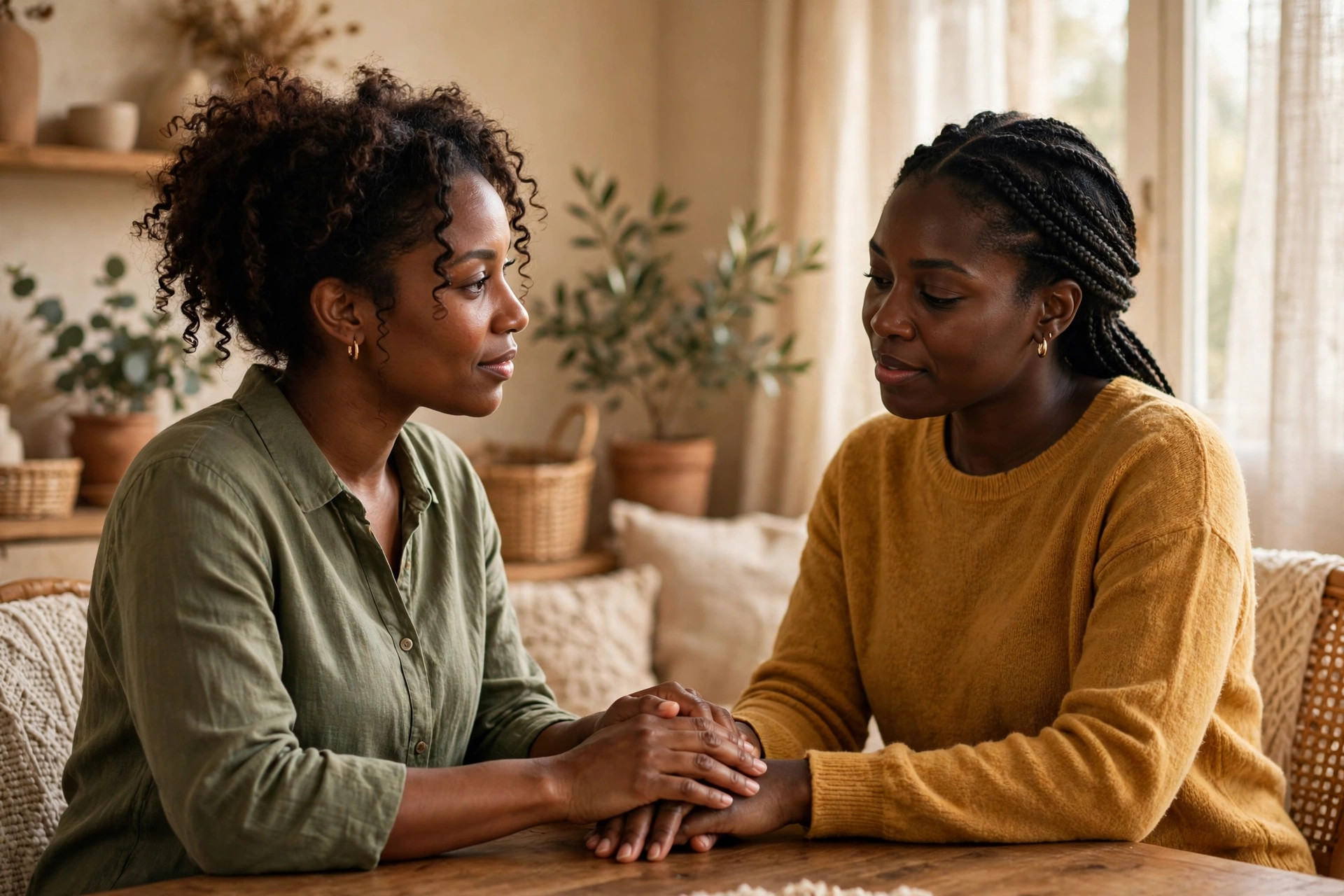
Illustrative photo — Illustration generated by artificial intelligence. This illustration does not depict the people mentioned in this article. This article is about domestic violence in Canada.
Domestic violence is a real problem in Canada. It is not unique to Canada. Bernice Dion points this out from the outset: violence against women exists in Canada, Africa, the Americas, and many other parts of the world. This article is part of Africanadien's series on violence against women during the 16 days of activism, from November 25th to December 10th.
Beyond verbal and physical violence, there is also psychological, emotional, sexual and economic violence. «These are forms of violence that gradually destroy a woman, sometimes without her even realizing it,» she emphasizes.
Silence, sometimes the only sound
What particularly concerns Bernice Dion is the silence surrounding these situations. A woman may not be aware of what she is experiencing. It all depends on her background, the environment in which she grew up, and the education she received. She may interpret certain behaviors as a form of discipline or authority, when in fact they are acts of violence.
«And that's precisely what makes the situation even more complex: sometimes, the only sound you hear around this suffering is silence,» she says.
Why do some women stay
Several reasons can keep a woman in an abusive relationship. Financial dependence. The presence of children. The fear of being alone or starting her life over. Social pressure to stay married after a certain age. And sometimes, the hope that her spouse will eventually change.
For immigrant women, the situation can be even more complex. Marriage is a very important value in some cultures, something that must be preserved at all costs. Divorce is sometimes viewed very negatively. «So, to avoid judgment, stares, and comments from those around them, some women prefer to stay in their marriage, even when they are suffering,» explains Bernice Dion. It takes a lot of courage, she says, to decide to leave.
Preparing for departure, not just advising
These women need support. And providing support, «is not simply telling them: «You have to leave»», she insists.
«You don't just get up one morning and leave without thinking about what comes next.» Unprepared departures have led to other difficulties, sometimes even more dangers.
The support provided must prepare the woman psychologically and emotionally. It must also, as far as possible, prepare her financially. The risks to her physical safety must be assessed, and her life and the lives of her children must be protected. «The goal is not simply for her to leave an abusive relationship, but for her to do so in the safest possible conditions and to then rebuild her life.»
That's why we must avoid judging a woman who hasn't yet left. «Above all, we must make her understand that she is not responsible for the violence she is experiencing. She has the right to live in an environment where she is respected, valued, and safe.»
A space to break taboos
It is within this framework that Bernice Dion established «Accepting Yourself to Shine Brighter.» The movement aims to create a space where taboos can be broken and people can speak freely. Beyond domestic violence, the work also addresses self-esteem, self-acceptance, and the wounds associated with rejection, lack of love, or abandonment.
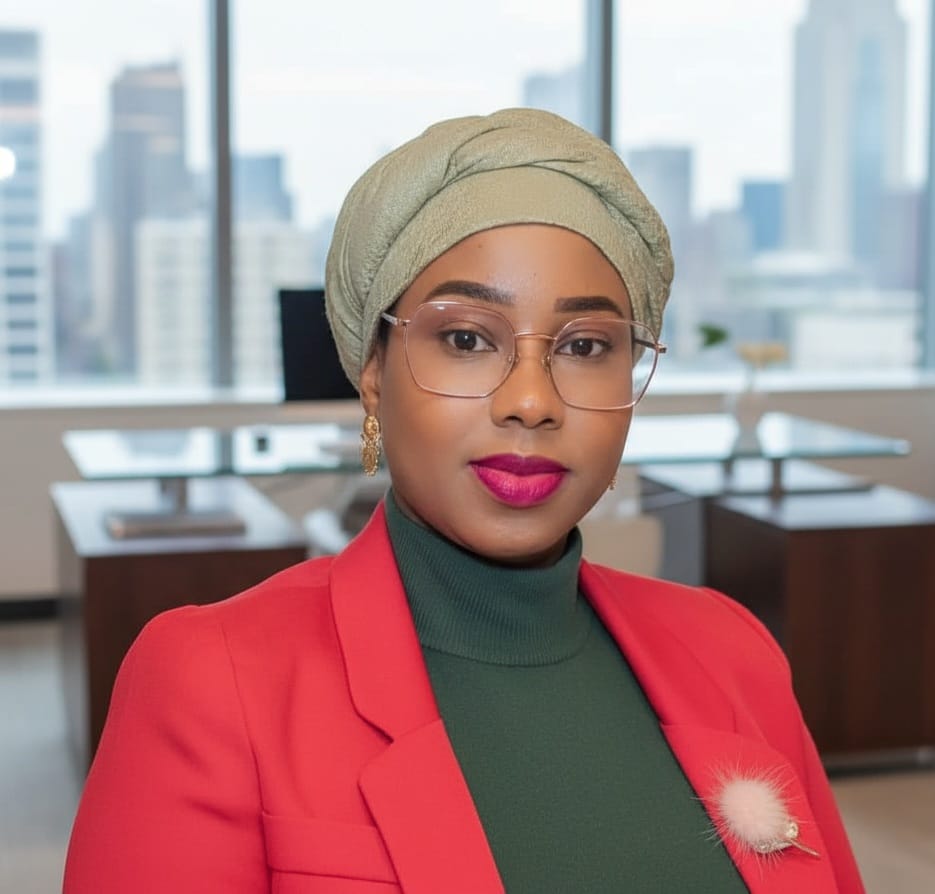
«These wounds can influence our choices, our relationships, and our acceptance of certain behaviors. But they never justify violence and never make a victim responsible for what they suffer,» she clarifies.
The movement also aims to create direct contact between participants and professionals. To ask questions. To discuss topics that are usually kept confidential. And, if necessary, to find the right resources to move forward.
Listen, then refer to professionals
Bernice Dion is keen to clarify her role. She is not a healthcare professional and does not provide individual therapy. Her work consists of listening, understanding people's realities, and sometimes helping them put words to their experiences. When a situation falls outside her area of expertise, she refers them to professionals.
«A woman who is experiencing violence doesn't just need to be told what to do. She needs to be listened to, understood, supported, and above all, to regain a sense of security and confidence so that she can make decisions about her life.»
In Ontario, the Fem'aide helpline offers free and confidential support in French, day and night, at 1-877-336-2433. In Ottawa, Maison d'amitié supports French-speaking women affected by domestic or family violence, as well as their children. In case of immediate danger, call 911.
Sources: Response sent to Africanadien by Bernice Dion, entrepreneur and community leader, promoter of the «Accepting Yourself to Shine Brighter» movement, November 2026.